
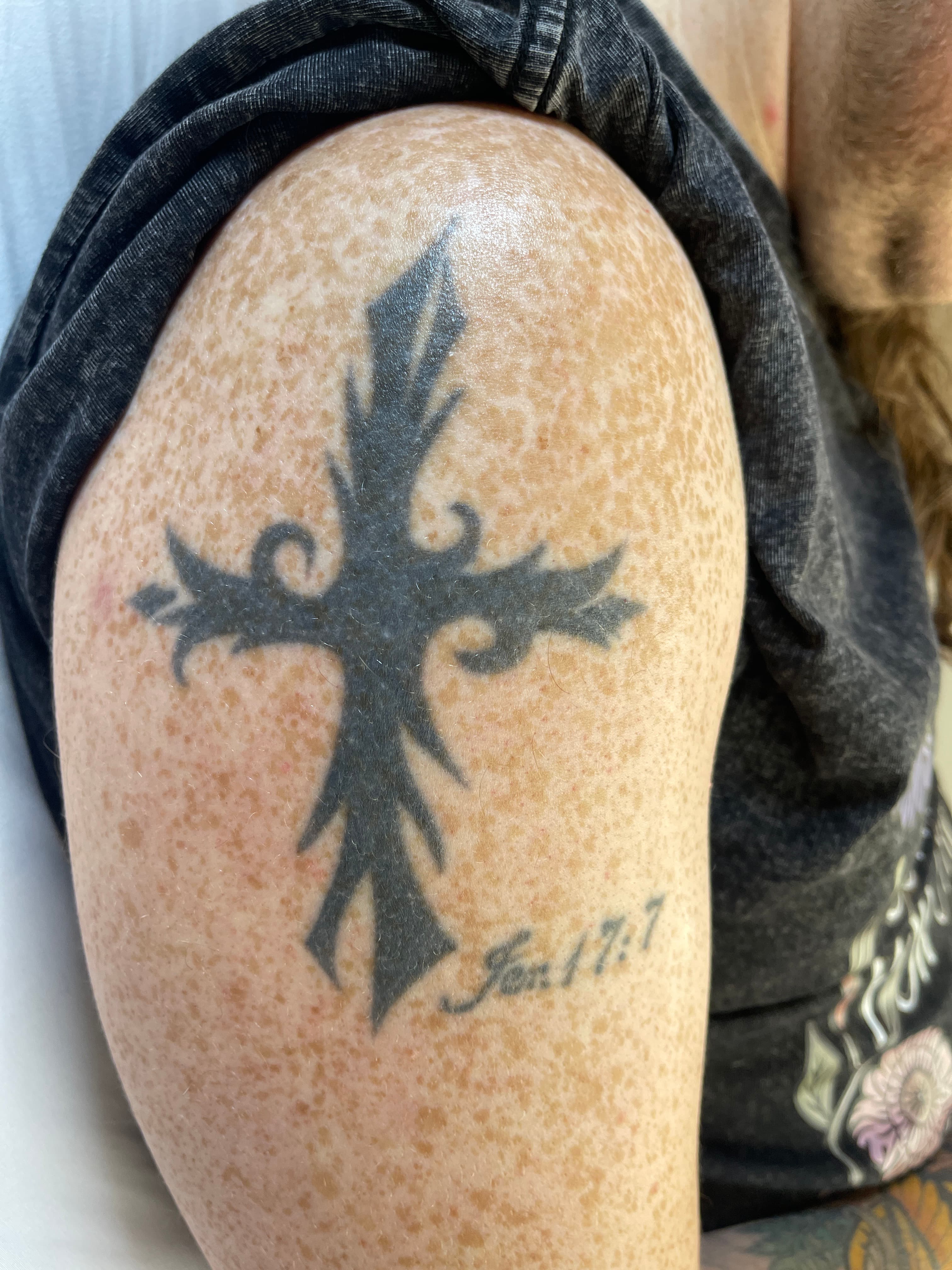
Sometimes it is less about erasing the past and more about making room for something new. Maybe the design no longer fits who you are. Maybe the placement felt right at the time but does not anymore. Or maybe you have wanted new artwork for years, but the old tattoo has been standing in the way.
Whatever the reason, many people find themselves in this same position: wanting to keep the area tattooed, just not with what is there now.
That is where pre-cover-up fading can make a real difference. If you are planning new artwork, laser tattoo removal in Edmonds to fade the design first may give your tattoo artist far more creative freedom — and help you end up with a result you actually love long term.
Do You Always Need Removal Before a Cover-Up?
No. Not always.
Some tattoos can be covered successfully without laser fading first. A skilled tattoo artist can work around certain designs, especially if the old tattoo is small, light, or has faded naturally over time.
But in many cases, fading helps more than people realize — especially when the existing tattoo is:
- Very dark or heavily saturated
- Dense with solid fill areas
- Large or visually busy
- Placed where the new design needs more flexibility
- Contains colors that are difficult to cover, like deep blues or blacks
If an old tattoo is too strong underneath, the artist often has fewer creative options. They may need to go darker than you want, use heavier linework, or design around the existing shapes rather than freely creating what you actually envision.
Pre-cover-up fading changes that equation. It gives both you and your artist more room to breathe.
Why Fading First Can Improve the Final Result
When a tattoo is lightened before a cover-up, the new design usually has a cleaner foundation to work with.
That can mean:
- More choice in the new artwork style and subject matter
- Better color clarity and vibrancy
- Less muddiness where old and new ink overlap
- Less need to go excessively dark or heavy
- A more refined and intentional final result
Instead of asking the new tattoo to overpower the old one, fading helps reduce the old design's influence from the start. Your artist can work with the skin instead of fighting against the existing ink.
Many tattoo artists actually prefer working on pre-faded skin because it gives them more creative freedom. Some will specifically recommend laser fading before they begin, especially for larger or darker pieces.
You May Not Need Full Removal
This is an important point that surprises many people.
If your goal is a cover-up, you may only need a few sessions — not the full treatment series required for complete removal. That distinction matters because it affects everything: your timeline, your investment, and how you plan ahead.
Full removal aims to clear as much ink as possible. That process typically requires 8 to 12 sessions or more, depending on the tattoo's size, color, and density. Sessions are spaced to allow the body time to clear fragmented ink between treatments. It is a longer commitment designed for people who want the tattoo fully gone.
Strategic fading is different. The goal is not to remove the tattoo entirely, but to lighten it enough to create a workable canvas for your tattoo artist. That often requires only 2 to 5 sessions — far fewer than full removal.
Because the endpoint is different, the treatment plan is different too. You are not chasing complete clearance. You are aiming for enough lightening to expand your options.
This also means:
- Shorter timeline — Fewer sessions means less total time before you are ready for new artwork
- Lower investment — Fewer sessions typically means a lower overall cost
- More flexibility — You can stop when you and your artist agree the canvas is ready
Many clients tell us they assumed they had to fully erase the old tattoo before doing anything new. Learning that partial fading is often enough comes as a relief.
How Many Sessions Do You Need Before a Cover-Up?
There is no universal number, but many clients aiming for a cover-up need a shorter treatment series than someone pursuing full removal.
The answer depends on:
- How dark and dense the current tattoo is
- What ink colors are present
- What the new design requires
- Whether your artist wants subtle fading or more significant clearing
- Your skin's response to treatment
Sometimes just two or three sessions are enough to open up much better possibilities. In other cases — especially with very dark or saturated tattoos — you may benefit from four to six sessions.
During your consultation, we can look at your current tattoo and give you a realistic estimate of how much fading you may need based on what your artist is planning.
How the Process Works
The process starts with a consultation where we assess your current tattoo and discuss your cover-up goals.
We look at:
- The current tattoo's size, density, and colors
- Where it sits on your body
- Whether you want partial fading or more dramatic lightening
- Your timeline for getting new artwork
- What your tattoo artist recommends
From there, we build a gradual plan designed to lighten the tattoo while protecting your skin. Because even when you are planning a cover-up, skin quality still matters. You want the area to heal well and be ready for fresh ink.
We use picosecond laser technology, which delivers energy in ultra-short pulses to break apart ink particles. This approach can be used across a wide range of ink colors and skin tones when planned thoughtfully. Learn more about the science behind laser tattoo removal.
Between sessions, proper aftercare helps your skin heal optimally and supports better results. We provide detailed guidance so you know exactly what to do and what to avoid.
Timing Matters
If you are coordinating with a tattoo artist, plan ahead.
Laser fading takes time. Sessions need to be spaced appropriately — We recommend at least 12 weeks between tattoo removal sessions. Your body continues clearing ink for months after each treatment, so spacing sessions properly often delivers better results than treating too frequently.
After your final fading session, your skin also needs time to fully recover before fresh ink is placed. Tattooing over recently treated skin can affect healing and the quality of the new work. Your tattoo artist can advise on when your skin looks ready, but building in adequate recovery time is important.
If you are hoping to get your cover-up done by a specific date, work backward from that goal. Starting the fading process early gives you flexibility and avoids rushing your skin.
The best cover-up results usually come from patience, not rushing.
Does Fading Make the New Tattoo Easier?
In many cases, yes.
Your artist may be able to:
- Use more dimension and shading
- Avoid going overly dark or heavy
- Create cleaner linework and smoother gradients
- Incorporate lighter colors that would not show over dark ink
- Work with the skin instead of against the old tattoo
This often leads to a final tattoo that feels more intentional and less like a rescue mission. Instead of a cover-up that looks like a cover-up, you get artwork that stands on its own.
Many clients tell us they wish they had known about pre-cover-up fading sooner. Some had already gotten cover-ups that did not turn out the way they hoped because the old tattoo was too strong underneath. Fading first could have changed the outcome.
Is It Worth Doing?
If you already know you want a cover-up, fading first can absolutely be worth it.
It may save you from ending up with:
- A darker-than-you-wanted new tattoo
- A design that still shows traces of the old one
- Limited artistic options
- Disappointment with the final result
A little patience upfront can create a much better outcome. And because you likely need fewer sessions than full removal, the investment in time and cost is often very manageable.
If you are curious about what treatment costs, read our guide on tattoo removal cost.
Working with Your Tattoo Artist
The best results come from collaboration. If you have a tattoo artist in mind for your cover-up, let them know you are considering laser fading first. They can tell you how much lightening would help based on their design ideas.
Some artists will even meet with you mid-process to check your progress and advise whether you are ready for new ink or would benefit from another session.
We are happy to coordinate with your artist if that helps. Our goal is to get your skin to the point where your artist can do their best work.
What About Comfort?
Comfort is something we take seriously. Every session includes complimentary topical numbing, and we also offer superficial injectable lidocaine for clients who want stronger relief. Many clients find the experience very manageable, and some describe it as nearly pain-free with proper numbing.
Learn more about what tattoo removal feels like and how we manage comfort.
The Bottom Line
Tattoo removal for cover-up is not about erasing your options. It is about expanding them.
If you want new artwork but know the current tattoo is in the way, strategic fading may be the best first step. And in many cases, you do not need full removal to get there — just enough lightening to give your artist the freedom to create something you will love.