
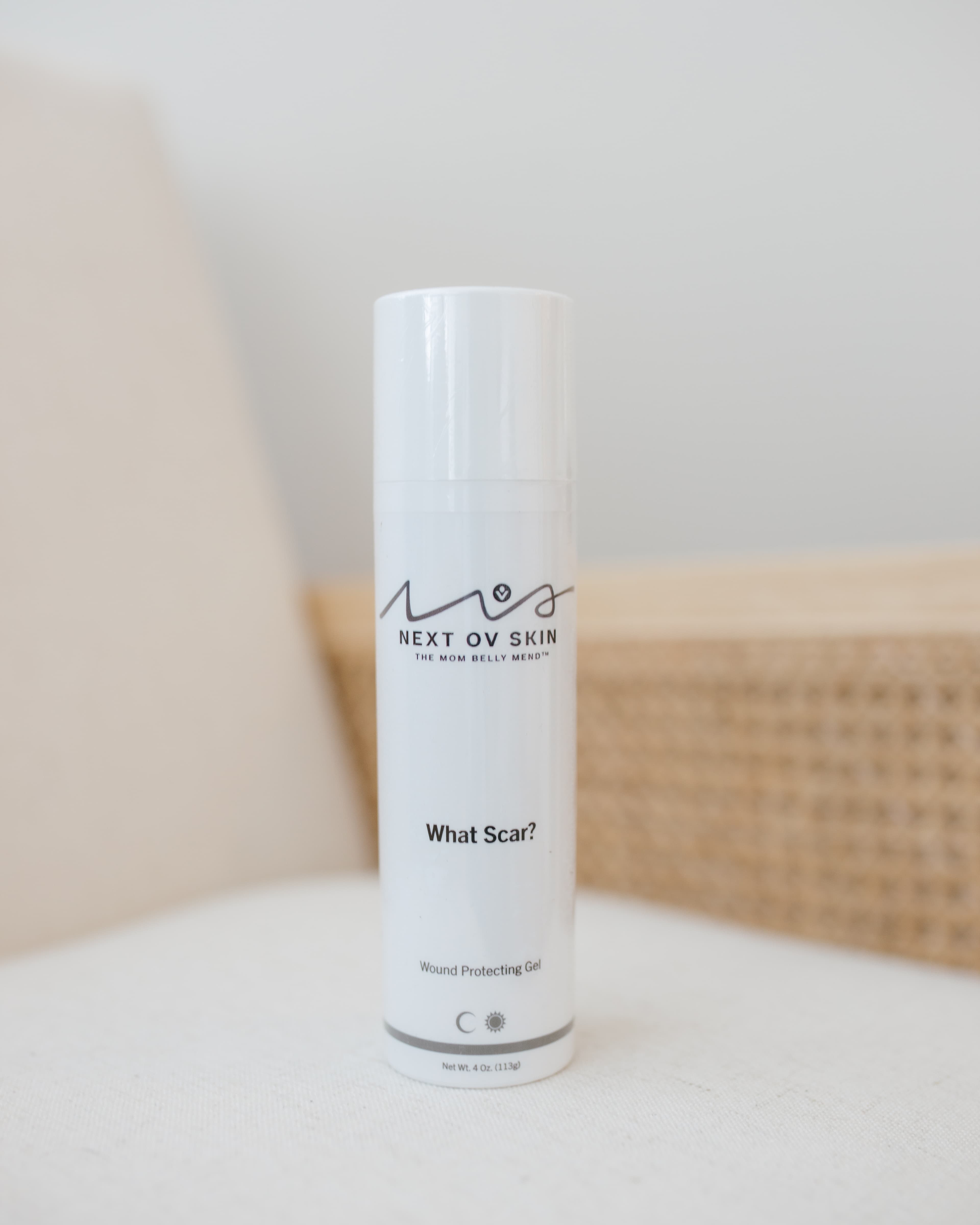
What you do after laser tattoo removal matters.
A good treatment plan is not just about the laser. It is also about how the skin heals afterward. Proper aftercare supports recovery, protects the skin, and helps you get the best possible progress from each session.
The good news is that aftercare usually is not complicated. But it does require consistency.
If you know what to expect and what to avoid, the process feels much less stressful. This guide walks you through everything you need to know about caring for your skin after tattoo removal, from the first few hours to the weeks between sessions.
Why Aftercare Matters
Laser tattoo removal works by breaking ink into smaller particles that your body clears gradually over time. The laser does the initial work, but your body does the rest.
Your skin still needs to recover from the treatment itself, and how you care for the area afterward can influence:
- how comfortable you feel during healing
- the quality of your skin as it recovers
- the risk of irritation, infection, or pigmentation changes
- how well your body clears the fragmented ink between sessions
Aftercare is also one of the ways you lower the chance of picking, overexposure, or unnecessary inflammation. When the skin heals well, you set yourself up for better results with each session.
Think of aftercare as an active part of your treatment, not an afterthought. The time between sessions is when much of the real progress happens.
What Is Normal Right After Treatment?
Immediately after your session, it is common to notice:
- redness around the treated area
- warmth or a sunburn-like sensation
- mild swelling
- tenderness to the touch
- temporary whitening or frosting of the treated skin
These early changes are normal. They do not mean something has gone wrong. The whitening you may see is caused by gas bubbles released when the laser breaks apart the ink particles. It typically fades within 10 to 20 minutes.
Some clients may also develop light blistering or scabbing over the next few days, depending on the tattoo and the intensity of treatment. That can be part of normal healing too, and we will cover that in more detail below.
The First 24 to 48 Hours
The first day or two is mainly about protecting the skin and keeping things calm. Your skin has just undergone a significant treatment, and it needs time to settle.
Keep the Area Clean. Gently wash the treated area with mild, fragrance-free soap and lukewarm water. Do not scrub. Pat dry with a clean towel. Think clean and simple, not aggressive.
Apply a Thin Layer of Healing Ointment. Apply a thin layer of the healing ointment recommended by your provider. Avoid heavily fragranced products or active skincare ingredients.
Cool It if Needed. If the area feels hot or swollen, cool compresses can help. Wrap ice or a cold pack in a clean cloth and apply it gently. Do not place ice directly on the skin.
Avoid Friction. Try not to wear anything that rubs repeatedly against the treated skin, especially if the tattoo is in an area where clothing, straps, or jewelry create pressure.
Skip the Workout. Avoid strenuous exercise for the first day or two. Sweating can irritate the treated area and introduce bacteria.
Leave It Alone. The urge to check, touch, or fuss with the area is understandable, but less is usually better. Let your skin do its work.
Understanding Blistering and Scabbing
One of the most common concerns clients have is blistering. It can look alarming, but it is often a normal part of the healing process.
Why Blisters Form. When the laser breaks apart ink particles, it generates heat and causes minor trauma to the skin. In some cases, this leads to small fluid-filled blisters forming over the treated area. This does not mean the treatment was too aggressive or that something went wrong.
What to Do. Leave blisters alone. Do not pop, pick, or drain them. The fluid inside is part of your body's natural healing response. Popping a blister opens the skin to bacteria and increases the risk of infection and scarring.
If a Blister Breaks on Its Own. Keep the area clean and apply a thin layer of ointment. Cover it with a non-stick bandage if needed. Continue to monitor for signs of infection.
Scabbing. As blisters heal, they may dry out and form a thin scab. This is also normal. Let scabs fall off naturally. Picking at them can damage the healing skin beneath and leave marks.
Not everyone experiences blistering. It depends on the tattoo, the ink, the treatment settings, and your individual skin response. Whether you blister or not, the treatment can still be effective.
What to Expect During the First Week
Over the first week, the skin may continue to look irritated, dry, lightly crusted, or mildly blistered. That does not mean the treatment failed. It usually means your body is moving through the normal healing process.
Do Not Pick, Scratch, or Peel. This is one of the most important aftercare rules. Picking at blistering or scabbing increases the chance of scarring and can interfere with how the skin heals.
Keep It Moisturized. Continue applying a thin layer of healing ointment or a fragrance-free moisturizer as the area heals.
Keep It Protected. Avoid anything overly harsh, abrasive, or irritating during this stage. That includes exfoliants, retinoids, and products with active ingredients.
Wear Loose Clothing. If the tattoo is in an area that rubs against clothing, choose loose, breathable fabrics to minimize irritation.
Avoid Soaking. Stay out of pools, hot tubs, baths, and natural bodies of water for at least one to two weeks. Chlorine and bacteria can irritate healing skin and increase infection risk.
Sun Protection Is Non-Negotiable
If there is one rule that deserves extra emphasis, it is this: protect the area from sun exposure.
UV exposure is one of the biggest risks during the tattoo removal process. It can interfere with healing, increase the risk of burns, and cause pigmentation changes that may be difficult to reverse.
Why It Matters. Treated skin is more sensitive to UV light. Sun exposure can lead to hyperpigmentation (darkening) or hypopigmentation (lightening) of the treated area. These changes can be temporary or, in some cases, longer-lasting.
How to Protect. Once the skin has healed enough to tolerate it, apply a broad-spectrum SPF 30 or higher sunscreen to the treated area before going outside. Reapply every two hours if you are in direct sunlight.
Cover Up. Whenever possible, keep the treated area covered with clothing or a bandage. This is especially important for tattoos on regularly exposed areas like arms and shoulders, lower legs, hands and feet, and the back of the neck.
This Matters for All Skin Tones. Sun protection is critical for everyone, but it is especially important when we are working thoughtfully across a wide range of skin tones. Darker skin tones can be more prone to pigmentation changes, and careful sun protection is one of the best ways to minimize that risk.
If you want to learn more about how we approach treatment for different skin types, read our guide on tattoo removal for dark skin.
What to Avoid After Tattoo Removal
For the first part of healing, avoid anything that adds unnecessary heat, friction, or irritation.
That often includes:
- Picking or scratching at blisters, scabs, or dry skin
- Intense sun exposure without protection
- Harsh exfoliation or scrubbing the treated area
- High-friction workouts immediately after treatment
- Hot tubs, saunas, and steam rooms for the first few days
- Soaking in water if you have been told to keep the area protected
- Tight clothing that rubs against the healing skin
You do not need to overcomplicate this. The basic idea is simple: protect the skin while it recovers.
Normal Healing vs. When to Contact Us
Most healing follows a predictable pattern. But it is important to know the difference between normal responses and signs that something may need attention.
Normal Healing Includes:
- Redness and warmth that fades within a few days
- Mild swelling that resolves within 48 to 72 hours
- Small blisters that heal on their own within one to two weeks
- Light scabbing or crusting that falls off naturally
- Itching as the skin heals
- Gradual fading of the tattoo over the following weeks
Contact Us If You Notice:
- Increasing redness, swelling, or pain after the first few days
- Pus, yellow discharge, or a foul smell
- Fever or chills
- Blisters that seem infected or are not healing
- Unusual changes in skin color that concern you
- Anything that feels outside the range of what you were told to expect
We are here to support you throughout your treatment, not just during your sessions. If something does not feel right, reach out. It is always better to ask.
Long-Term Care Between Sessions
Tattoo removal is a process that takes multiple sessions. What you do between those sessions matters just as much as what happens during them.
Session Spacing. We recommend at least 12 weeks between tattoo removal sessions. Ink will continue to clear for months, so waiting a little longer rather than treating too close together often gets you more out of each session.
That spacing gives:
- the skin time to fully recover
- the body time to continue clearing fragmented ink
- the next treatment a better starting point
Trying to rush the timeline is usually not the answer. Patience leads to better results.
Stay Hydrated. Drinking plenty of water supports your lymphatic system, which is responsible for clearing the broken-down ink particles from your body.
Avoid Smoking. Smoking constricts blood vessels and can slow your body's ability to heal and clear ink. If you smoke, consider reducing or quitting during your treatment.
Maintain a Healthy Lifestyle. Good circulation, a balanced diet, and adequate sleep all contribute to better healing and potentially faster results.
Do Not Tan. Tanning, whether from the sun or a tanning bed, increases your risk of pigmentation changes and can make future treatments less effective. Protect the treated area consistently.
Why Aftercare Affects Your Results
Proper aftercare is not just about comfort. It directly affects how well your skin heals and how effectively the ink fades over time.
When you take care of your skin between sessions, you:
- Reduce the risk of scarring or texture changes
- Support your body's natural ink-clearing process
- Minimize the chance of pigmentation issues
- Set yourself up for better results with fewer complications
The goal is steady progress with healthy skin left behind, not aggressive treatment that creates more problems than it solves.
Aftercare is one of the things that separates a good outcome from a great one. It is also one of the things you have the most control over.
A Better Recovery Starts with a Better Plan
Aftercare is easier when the treatment itself is thoughtful.
That is part of why we take a gradual, personalized approach at Next OV Skin. We adjust settings based on your skin type, your tattoo, and how you are responding to treatment. We do not rush. We do not overtreat. And we give you clear guidance on what to do between sessions so you never have to guess.
If you are preparing for laser tattoo removal in Edmonds, we will walk you through what to expect before and after treatment. You will know exactly how to care for your skin at every stage.
You can also learn more about does tattoo removal hurt and the underlying tattoo removal science.