
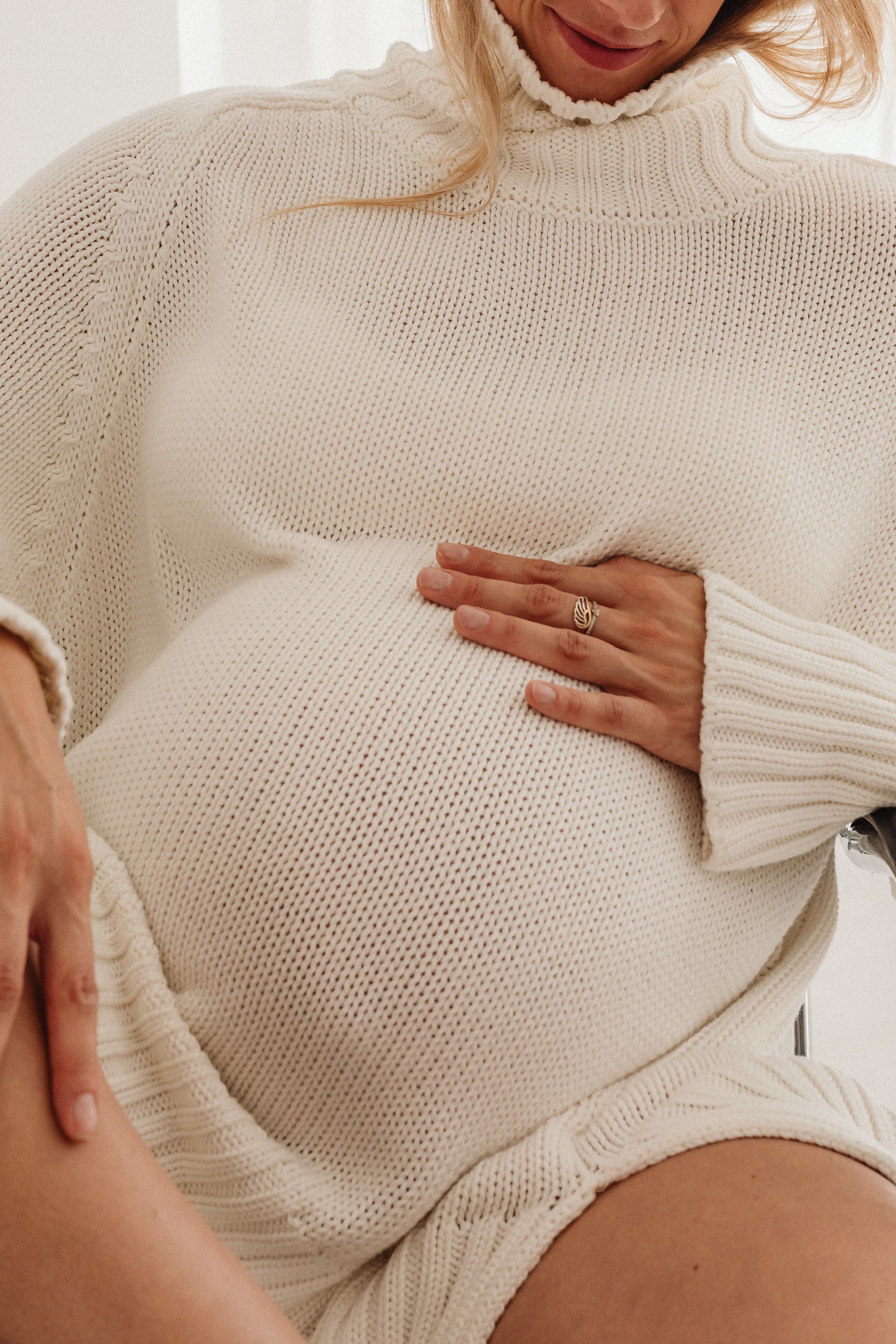
Understanding Post-Pregnancy Body Changes
The post-pregnancy period brings about a series of physical transformations that can be both unexpected and challenging for new mothers. Understanding these changes is the first step towards effectively addressing them.
Common Physical Changes
The most noticeable change is often in the abdominal area. The skin and muscles have stretched to accommodate the growing baby, which can result in loose skin and weakened abdominal muscles, known as diastasis recti.
Hormonal shifts during pregnancy can lead to an altered pattern of fat deposition. New mothers often find increased fat storage in areas like the hips, lower back, and thighs, which can be resistant to traditional weight loss efforts.
Breastfeeding and hormonal variations can also lead to changes in breast size and shape, contributing to an overall different body contour.
Psychological Impact
These physical changes can trigger a mix of emotions, from pride in the body's capabilities to frustration or dissatisfaction with the altered appearance. Many new mothers struggle with their body image post-pregnancy, which can affect self-esteem and overall mental well-being.
Adapting to these changes while managing the responsibilities of a new baby can be overwhelming. It's a time that requires patience and support, both from oneself and from loved ones.
Debunking Myths Around Post-Pregnancy Weight Loss
Myth 1: Instant "Bounce Back"
The idea that women should quickly return to their pre-pregnancy bodies is a pervasive myth. In reality, the body needs time to recover from childbirth.
Myth 2: Extreme Dieting is Necessary
Another common misconception is the need for intense dieting to lose post-pregnancy weight. Instead, a balanced, nutrient-rich diet is more beneficial for postpartum recovery and weight management.
Myth 3: Exercise Must Be High-Intensity
High-intensity workouts are often seen as the only way to lose post-pregnancy weight. However, a combination of moderate exercise and strength training can be more effective and sustainable.
The Truth About "Spot Reduction"
The concept of "spot reduction" — targeting fat loss in specific body areas — is largely a myth when it comes to diet and exercise alone. Fat loss tends to be a holistic process that occurs evenly throughout the body.
However, a more effective strategy is a holistic approach that combines healthy eating, regular exercise, and non-intrusive body contouring treatments for targeted areas. These treatments can address stubborn fat deposits that don't respond to lifestyle changes alone.
Non-Intrusive Methods for Targeted Fat Loss
For new mothers looking to address specific areas of post-pregnancy fat, non-intrusive fat loss methods offer a promising solution. These techniques target fat deposits without the need for surgery, making them a popular choice for those seeking a less invasive option.
Cryolipolysis (CoolSculpting)
Often known by its brand name, CoolSculpting, this method uses cold temperatures to freeze and break down fat cells. It's particularly effective for targeting stubborn fat in areas like the abdomen, thighs, and arms.
Radiofrequency Treatments
These treatments use energy waves to heat and reduce fat cells while also promoting collagen production, which can help tighten loose skin. It's a versatile option suitable for various body parts.
High-Intensity Focused Ultrasound (HIFU)
HIFU targets fat cells with ultrasound energy, causing them to dissolve over time. It's also beneficial for skin tightening, making it a dual-purpose treatment. At Next OV Skin, we specialize in HIFU body sculpting as our primary non-invasive fat reduction treatment.
How These Methods Work
Each of these methods targets fat cells without affecting the surrounding tissues. They work by either damaging the fat cells through freezing (cryolipolysis), heating (radiofrequency), or ultrasound energy (HIFU), which are then naturally eliminated by the body.
Studies have shown that these treatments can effectively reduce fat in targeted areas. Results can typically be seen within a few weeks to a few months post-treatment, varying from person to person.
One of the key advantages of these methods is their safety profile and minimal downtime. Most treatments allow patients to return to their daily activities immediately.
The Role of Diet and Exercise
While non-intrusive methods are effective for targeted fat loss, their success is significantly enhanced when paired with a balanced diet and exercise. For new mothers, especially those who are breastfeeding, understanding and catering to post-pregnancy nutritional needs is crucial.
Importance of a Balanced Diet
A diet rich in nutrients supports overall health and aids in recovery post-pregnancy. Focus on a variety of fruits, vegetables, whole grains, lean proteins, and healthy fats.
Post-pregnancy, especially during breastfeeding, women may require additional calories. It's important to consume enough to meet these energy needs while also focusing on nutrient-dense foods.
Adequate hydration is crucial, particularly if breastfeeding. Water aids in the body's metabolic processes, including fat loss.
Exercise Routines to Complement Treatments
- Start Slow: Begin with low-impact exercises such as walking, swimming, or yoga. These activities are gentle on the body and can be scaled up in intensity as you recover.
- Strength Training: Incorporating strength training can help rebuild muscle tone, boost metabolism, and enhance the results of fat loss treatments.
- Pelvic Floor Exercises: Post-pregnancy, it's beneficial to include exercises that strengthen the pelvic floor to support recovery.
- Consistency Over Intensity: Rather than high-intensity workouts, focus on regular, moderate-intensity exercises that are sustainable and enjoyable.
How to Choose the Right Treatment
Selecting the appropriate non-intrusive fat loss method is a crucial step in your post-pregnancy body sculpting journey. With various options available, considering certain factors can help you make an informed decision.
Factors to Consider
- Safety: Safety should always be your top priority. Research the safety profile of each treatment and look for methods that have been clinically tested and approved by relevant health authorities.
- Effectiveness: Consider the effectiveness of the treatment for your specific body type and the areas you want to target.
- Cost: Non-intrusive fat loss treatments can vary in cost. Evaluate your budget and consider the number of sessions required.
- Recovery Time: While most non-intrusive treatments have little to no downtime, it's important to understand any aftercare requirements.
- Personal Health: Discuss any health concerns with a healthcare provider to ensure the chosen method is safe for you, especially in the post-pregnancy period.
Tips for Consulting with Professionals
- Don't hesitate to consult with different professionals to get various opinions
- Ask specific questions about the procedure, potential risks, expected results, and aftercare
- Verify the credentials and experience of the practitioners
- Choose a practitioner with whom you feel comfortable and trust
- Seek recommendations from other mothers who have undergone similar treatments
Maintaining Your Results Post-Treatment
After achieving desired results with non-intrusive fat loss treatments, the next crucial step is maintaining these outcomes. Long-term success depends largely on adopting sustainable lifestyle changes.
Tips for Maintaining Fat Loss Results
- Healthy Eating Habits: Continue with a balanced diet. Avoid yo-yo dieting, and instead focus on making healthy eating a permanent part of your lifestyle.
- Regular Physical Activity: Incorporate regular exercise into your routine — even moderate activities like brisk walking or cycling can be effective.
- Stay Hydrated: Drinking enough water is essential for metabolism and overall health.
- Consistent Sleep Patterns: Good quality sleep is important for weight management and overall well-being.
- Stress Management: High stress can impact your body's ability to maintain weight loss. Practice stress-reduction techniques like meditation, yoga, or deep breathing exercises.
Long-Term Lifestyle Changes
View your health holistically, including mental, physical, and emotional aspects. Each of these plays a role in maintaining your post-treatment results.
Keep up with regular health check-ups to monitor your overall health status and make adjustments to your lifestyle as needed.
Engage with a community or support group that shares similar health and wellness goals. This can provide motivation and accountability.