
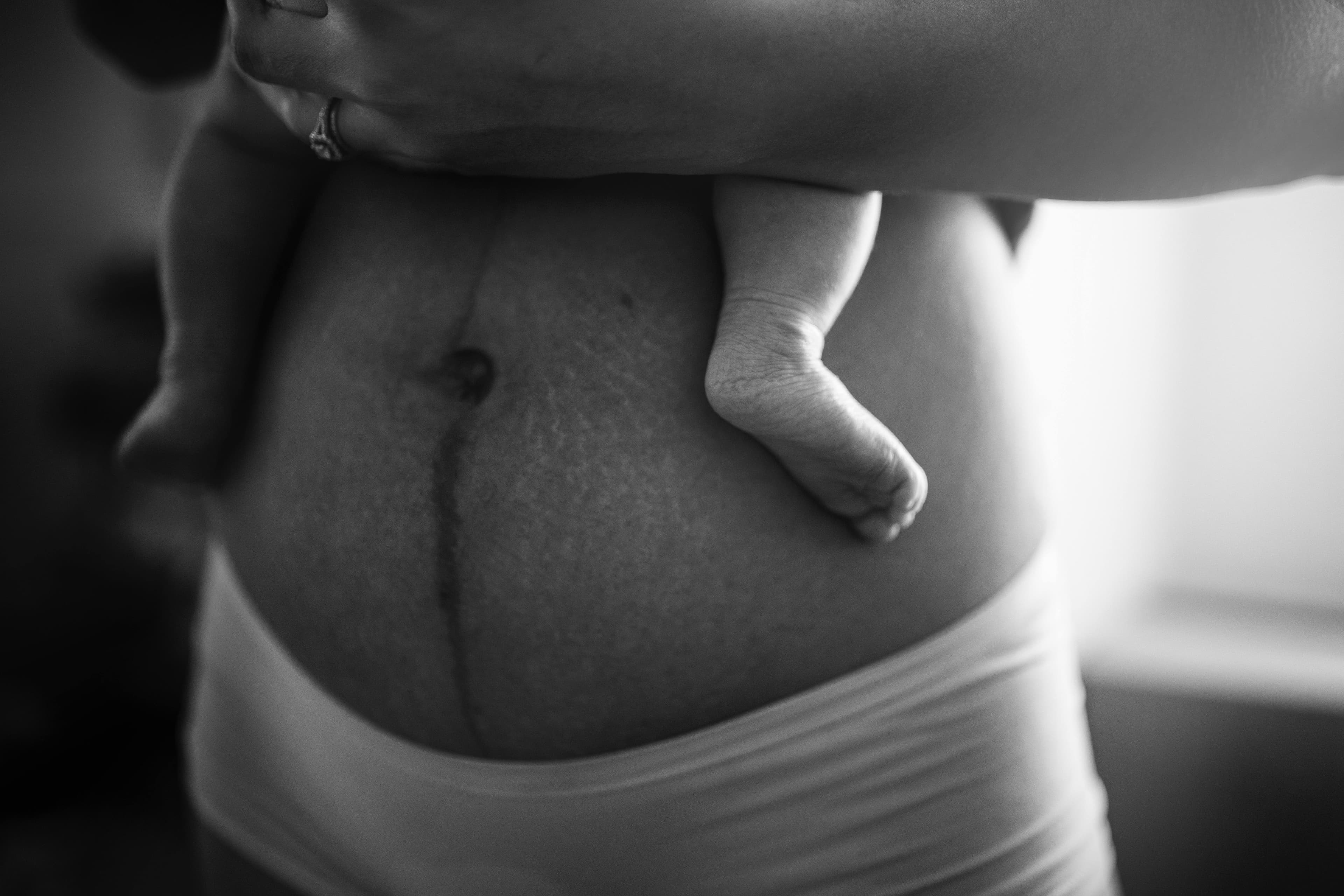
The Immediate Aftermath of Surgery
The first day following a C-section is a critical period for recovery. Immediately after the surgery, you will be taken to a postoperative recovery area where your vital signs such as blood pressure, pulse, and breathing will be closely monitored to ensure stability. Nurses will check the incision site for signs of infection and manage any drainage tubes if they were placed. Sensation will gradually return to your lower body as the anesthesia wears off, and you'll be encouraged to rest as much as possible to aid the healing process.
Initial Care and Monitoring
During these initial hours, healthcare professionals will assist you with the basic activities like moving, eating, and even breastfeeding if you choose to do so. You'll also be encouraged to mobilize as soon as possible to prevent complications like blood clots.
The staff will monitor your urinary output and may keep a catheter in place until you are able to use the bathroom independently. They will also keep an eye on your uterine contractions and bleeding to make sure your uterus is shrinking back to its pre-pregnancy size.
Pain Management Strategies
Pain management is a crucial aspect of post-C-section care. You may be given medications through an IV initially and then transition to oral pain relievers. It's essential to communicate with your healthcare providers about your pain levels so they can adjust your medications accordingly.
Non-medication strategies such as using heating pads, practicing deep breathing exercises, and positioning techniques can also help in managing pain. Some hospitals offer patient-controlled analgesia (PCA), allowing you to administer your own pain medication within prescribed limits.
The First Six Weeks: Early Recovery Phase
In the first six weeks after a C-section, your body undergoes significant healing. The incision site will begin to heal, and any numbness or itchiness is typical as nerve endings recover.
You may experience bleeding and discharge, known as lochia, which will gradually decrease over time. It's important to follow your doctor's instructions on caring for your incision to prevent infection. You'll likely notice gradual decreases in postpartum abdominal swelling as your body sheds excess fluid.
Emotional Well-being and Hormonal Shifts
Emotionally, this period can be a rollercoaster due to hormonal fluctuations. The dramatic drop in pregnancy hormones, coupled with the challenges of new motherhood and recovery, can affect your mood.
Feelings of joy can be interspersed with bouts of sadness or anxiety, often referred to as the "baby blues." If these feelings intensify or persist, it could be a sign of postpartum depression, and you should seek help from a healthcare professional.
Doctor's Visits and Check-ups
Follow-up visits are usually scheduled within the first six weeks after delivery. Your doctor will check your incision to ensure it's healing properly and may remove any stitches or staples if they haven't been absorbed or removed earlier.
These appointments are an opportunity to discuss any concerns you may have, from pain management to breastfeeding issues. It's also a time to talk about birth control options and to address any questions about resuming sexual activity or other physical activities.
During this early recovery phase, it's crucial to take care of yourself, allowing your body the time it needs to heal. Rest when you can, accept help from those around you, and focus on nourishing your body with a balanced diet and plenty of fluids. Remember, every woman's body is different, and healing will happen at its own pace.
Beyond Six Weeks: Ongoing Recovery and Rehabilitation
As you move beyond the six-week mark, your body continues to heal and adjust. Internally, tissues and nerves are still repairing, and it may take several months for you to feel completely healed. During this phase, you might notice a reduction in fatigue as your body recovers from the initial postpartum period. It's also normal for weight loss to plateau as your body finds a new equilibrium.
Scar Healing and Care
Your C-section scar should be healing significantly by now, but scar tissue continues to remodel and mature for up to a year. The scar may appear red or pink and may start to fade over time. Keep the area clean, and once your doctor gives the okay, you can begin to use scar treatment creams or gels if desired. It's also essential to protect the scar from the sun to prevent hyperpigmentation.
Returning to Exercise and Normal Activities
Once your doctor clears you for physical activity, you can gradually return to your pre-pregnancy exercise routines. It's important to start slowly and build up intensity, focusing on strengthening the core muscles affected by pregnancy and surgery. Pelvic floor exercises can also be beneficial. Listen to your body and don't rush the process, as overexertion can lead to setbacks in recovery.
As for normal activities, you'll likely find yourself adapting to a new routine that includes your baby. It's important to continue to ask for and accept help when needed and to prioritize your own well-being as you navigate this new phase of life. Remember that recovery is not just about physical healing, but also about finding balance and wellness in your new role as a mother.
Potential Complications and How to Address Them
After a C-section, be vigilant for signs of infections such as increased redness, swelling, or discharge at the incision site, or if you develop a fever. Pain is expected, but if it becomes severe or unmanageable with prescribed medications, or if you notice a significant increase in bleeding or foul-smelling vaginal discharge, these could be signs of complications.
Scarring is a natural part of the healing process, but sometimes a scar can become raised, itchy, or painful, indicating a possible keloid or hypertrophic scar formation.
When to Seek Medical Attention
Immediate medical attention should be sought if you experience symptoms such as excessive bleeding, severe abdominal pain, difficulty breathing, signs of a blood clot (severe leg pain or swelling), or if you pass large blood clots. Additionally, any signs of infection, like persistent fever or pus from the incision, warrant a prompt visit to your healthcare provider.
Preventive Measures and Treatments
Preventive measures include proper incision care, following your doctor's postoperative instructions, and keeping your follow-up appointments. Ensure good hygiene, avoid strenuous activities that can strain your incision, and report any concerns to your doctor early on.
For pain, follow your doctor's advice on medication and use supportive measures such as pillows to alleviate discomfort. In terms of scar care, once healed, silicone sheets or gels can be used to minimize scarring. For infections, antibiotics and proper wound care are the mainstays of treatment. If pain or scarring becomes an issue, treatments range from medications to various non-surgical options that can help alleviate symptoms and improve the appearance of scars.
It's crucial to prioritize your health by taking these preventive steps and understanding when to seek help. Addressing issues early can significantly reduce the risk of long-term complications and ensure a smoother recovery process.
Nurturing Your Mental and Emotional Health
The arrival of a new baby can bring joy, but it can also introduce feelings of depression and anxiety. It's essential to monitor your emotional state as postpartum depression and anxiety can affect any new mother, irrespective of delivery method.
Symptoms might include persistent sadness, disinterest in activities, or excessive worry that interferes with daily life. Recognizing these signs and seeking help early is crucial for your well-being.
The Importance of Support Systems
Having a solid support system is invaluable for new mothers. Connecting with partners, family, friends, or a parenting group can provide emotional support and practical help. Don't hesitate to share your feelings with someone you trust. Sometimes, just talking about your experiences can bring comfort and perspective.
Finding Time for Self-Care
Self-care is not selfish; it's necessary. It can be challenging to find time for yourself with a newborn, but even a few minutes a day can make a difference. Whether it's a hot shower, a short walk, or just enjoying a cup of tea, these small moments can help recharge your mental and emotional batteries.
Nutrition and Lifestyle for Optimal Healing
A balanced diet rich in vitamins, minerals, and proteins can significantly aid in your recovery. Focus on foods like lean meats, leafy greens, whole grains, and fresh fruits, which provide the nutrients needed for wound healing and energy.
The Role of Hydration
Hydration is a key component of post-surgical recovery. Drinking plenty of water helps in the overall healing process, aids in breast milk production, and can also help reduce the risk of urinary tract infections, which are more common postpartum.
Sleep and Its Impact on Recovery
Sleep can be elusive with a newborn, but it's a critical part of recovery. Lack of sleep can affect both physical healing and mental health. When the baby sleeps, try to rest as well. Napping when possible can help offset the lack of continuous sleep at night.
Your New Normal: Adjusting to Life with a Newborn Post-C-Section
Caring for a newborn while recovering from a C-section can be challenging. It's a delicate balance of attending to your baby's needs while not neglecting your own. Pay attention to your body's signals and don't push yourself too hard.
Establishing a Routine
Establishing a daily routine can bring a sense of predictability and control. It helps in managing time and responsibilities effectively. A routine doesn't have to be rigid but should include time for infant care, self-care, and rest.
Accepting and Seeking Help
It's important to accept that you can't do everything alone. Accept help when offered, and don't be afraid to ask for assistance when you need it. Whether it's help with household chores, baby care, or just the need for companionship, reaching out can ease the transition into motherhood.
Recovery is not a race but a personal voyage that unfolds differently for every woman. This guide aims to equip you with a thorough understanding of what to expect and how to manage each phase of the process. With the right care, support, and knowledge, you can steer through the healing journey with grace and confidence. Remember, each day brings you one step closer to regaining your strength and fully embracing the wonders of motherhood.